QA Touch vs Testmo Test Management Feature Comparison
QA Touch vs. Testmo: Test Management Feature Comparison
This page compares QA Touch and Testmo across 28 test management capabilities. Both tools support test case management, review management, an AI Helper, test execution, test case import, custom roles and permissions, activity and audit logs, a Jira Requirements Traceability Matrix (RTM), two-way Jira integration, a Jira Cloud plugin, test automation and API, Google SSO, two-factor authentication, and test case version history. QA Touch additionally offers bulk test case updates with CSV, sharable reports, dashboards, test cases and test results, defect tracking and traceability (Req → Test → Defect), an inbuilt mindmap, timesheets, workspaces, and custom dashboards, while Testmo offers Single sign-on (SAML).
At a Glance: QA Touch vs. Testmo
| QA Touch | Testmo | |
|---|---|---|
| Capabilities supported (of 28 listed) | 27 | 19 |
| Core test management and execution | Yes | Yes |
| Jira RTM, two-way Jira integration, and Jira Cloud plugin | Yes | Yes |
| Sharable reports, dashboards, test cases, and test results | Yes | No |
| Defect tracking & traceability (Req → Test → Defect) | Yes | No |
| Custom dashboard | Yes | No |
| Single sign-on (SAML) | No | Yes |
| Test case version history | Professional & Enterprise | Yes |
QA Touch vs. Testmo Feature Comparison Table
The table below shows which test management capabilities are available in QA Touch and in Testmo.
| Tool Characteristics |  |  |
|---|---|---|
| Test Case Management & Reusability |  | |
| Review Management | | |
| AI Helper | | |
| Test Execution | | |
| Import of Test Cases (.csv, .xls, .xlsx) | | |
| Bulk Update of Test Cases (with .csv) | |  |
| Configurable Custom Roles & Permissions | | |
| Activity Log | | |
| Audit Log | | |
| Sharable Reports | | |
| Sharable Dashboards | | |
| Sharable Test Cases, Test Results | | |
| RTM - Jira Requirements Traceability Matrix | | |
| Defect Tracking & Traceability (Req → Test → Defect) | | |
| Inbuilt Mindmap | | |
| Timesheets | | |
| Integrations | | |
| Jira Integration - 2 Way | | |
| Jira Cloud Plugin | | |
| Test automation & API | | |
| Google SSO | | |
| Two-factor auth & enforce | | |
| Workspace | | |
| Single sign-on (SAML) | | |
| Custom Dashboard | | |
| Test Case Version History | (Professional & Enterprise) | |
| Customer Support | | |
| Knowledge Base | | |
AI Test Cases Management Tool
Why QA Teams May Select QA Touch
- UI and Ease of Use: Acclaimed for its user-friendly interface, intuitive structure, and simplicity, which lowers the learning curve.
- Better Organisation: It provides more adaptable ways to arrange tests than TestRail's possibly restrictive folder-first method.
- Robust Integrations: Reduces manual labour and streamlines workflows by integrating well with a variety of tools, such as Jira.
- Built-in Features: To lessen reliance on third-party plugins, the tool may include features like Requirement Management.
- Multiple Project Configurations: We can configure multiple JIRA Projects.
Why Prefer QA Touch
AI Test Case Management

Prompt to Test Case:
Turn a short requirement into a clear and detailed test case.
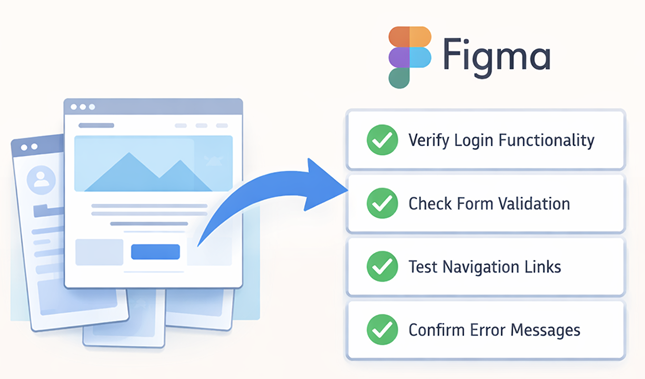
Figma Mockup To Generate Test Case:
Generate a full test suite straight from a Figma design or image.
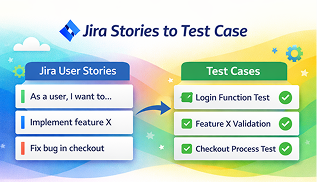
JIRA Stories To Generate Test Case:
Create coverage automatically from your existing JIRA stories.
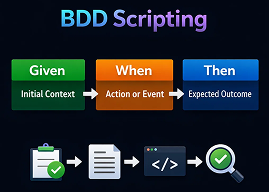
BDD Scripting:
Let the AI produce well-structured test case descriptions and BDD scripts instantly.

BRD to Test Case:
Generate test cases directly from BRD documents.

Agile Board
The Agile Board provides a visual workspace to plan, track, and manage testing tasks with ease. It helps teams collaborate effectively, monitor progress in real time, and stay aligned throughout the testing lifecycle.

In-Built Timesheet
QA Touch includes a built-in timesheet feature to track work hours accurately and effortlessly. Create, customize, and share timesheets to improve time management, productivity tracking, and reporting across teams.

Built-in Bug Tracking
QA Touch offers seamless built-in defect tracking by linking bugs directly to failed test cases. Log, track, and manage defects effortlessly from reporting to closure using a centralized bug tracking module that ensures complete visibility and faster resolution.

Intuitive Dashboards
Get a clear, real-time overview of your testing progress with intuitive dashboards. Access project-specific insights into test cases, test runs, defects, and user activity logs—all consolidated in one place for smarter decision-making.

Reports & Actionable Insights
QA Touch delivers rich, actionable reports that provide deep visibility into test coverage, execution status, defect history, and team performance. Identify risks early, track quality trends, and continuously improve your testing outcomes.

Cost-Effective & Scalable
QA Touch offers flexible and affordable pricing plans designed for startups, growing teams, and enterprises. With a generous free trial and feature-rich paid plans, you get maximum value without compromising on quality or functionality.
Which Features Do QA Touch and Testmo Both Offer?
Based on the comparison table, both QA Touch and Testmo offer:
- Test Case Management & Reusability
- Review Management
- AI Helper
- Test Execution
- Import of Test Cases (.csv, .xls, .xlsx)
- Configurable Custom Roles & Permissions
- Activity Log
- Audit Log
- RTM - Jira Requirements Traceability Matrix
- Integrations
- Jira Integration - 2 Way
- Jira Cloud Plugin
- Test automation & API
- Google SSO
- Two-factor auth & enforce
- Test Case Version History (QA Touch: Professional & Enterprise)
- Customer Support
- Knowledge Base
What Does QA Touch Offer That Testmo Does Not?
Based on the comparison table, QA Touch provides the following capabilities that Testmo does not:
- Bulk Update of Test Cases (with .csv)
- Sharable Reports
- Sharable Dashboards
- Sharable Test Cases, Test Results
- Defect Tracking & Traceability (Req → Test → Defect)
- Inbuilt Mindmap
- Timesheets
- Workspace
- Custom Dashboard
What Does Testmo Offer That QA Touch Does Not?
Based on the comparison table, Testmo supports Single sign-on (SAML), which QA Touch does not. QA Touch supports Google SSO.
Frequently Asked Questions
What is the difference between QA Touch and Testmo?
Both tools cover core test management, test execution, Jira RTM, two-way Jira integration, and test automation and API. QA Touch also offers bulk CSV updates, sharable reports, dashboards, test cases and results, defect traceability, an inbuilt mindmap, timesheets, workspaces, and custom dashboards, while Testmo offers SAML single sign-on.
Do QA Touch and Testmo integrate with Jira?
Yes. Both QA Touch and Testmo offer two-way Jira integration, a Jira Cloud plugin, and a Jira Requirements Traceability Matrix (RTM).
Does QA Touch support SAML single sign-on?
No. According to the comparison, Single sign-on (SAML) is available in Testmo but not in QA Touch. QA Touch supports Google SSO and two-factor authentication.
Can I share reports and test results in Testmo?
According to the comparison, sharable reports, dashboards, test cases, and test results are available in QA Touch but not in Testmo.
Does Testmo support defect tracking and traceability?
According to the comparison, defect tracking and traceability (Req → Test → Defect) is available in QA Touch but not in Testmo.
Do QA Touch and Testmo support test case version history?
Yes. Both support test case version history. In QA Touch, it is available on the Professional and Enterprise plans.
Can I import test cases into both QA Touch and Testmo?
Yes. Both support importing test cases from .csv, .xls, and .xlsx files. Only QA Touch supports bulk updating test cases with a .csv file.